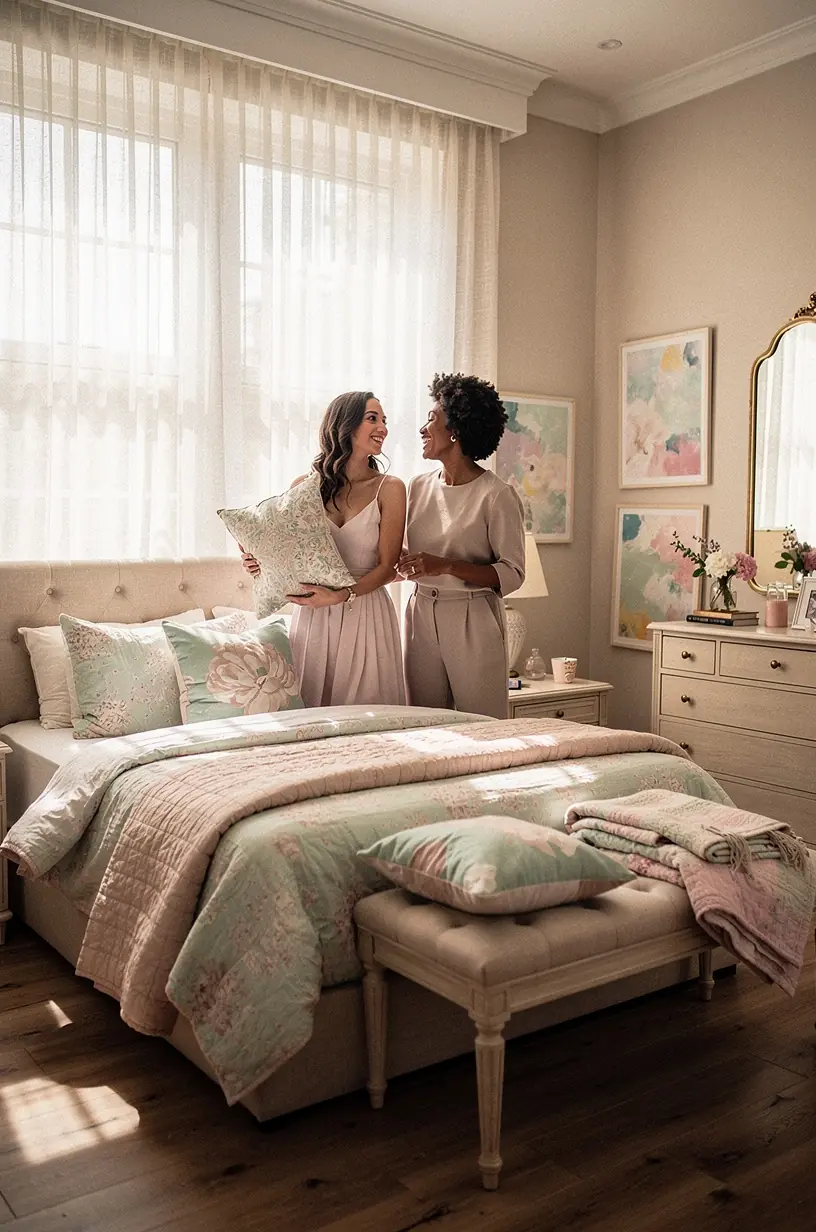
The Role of Lighting in Home Aesthetics
Lighting is more than just a functional element in home design; it plays a crucial role in setting the mood and enhancing the aesthetic appeal of any space. This article explores how lighting can transform your home environment through thoughtful design and application.
Understanding the Basics of Lighting
Lighting affects not only visibility but also influences the perception of space and color. According to researchers in environmental psychology, the right lighting can significantly enhance mood and productivity. For example, studies show that natural light exposure can improve cognitive function and overall well-being, which is why many experts recommend maximizing daylight in interior spaces.
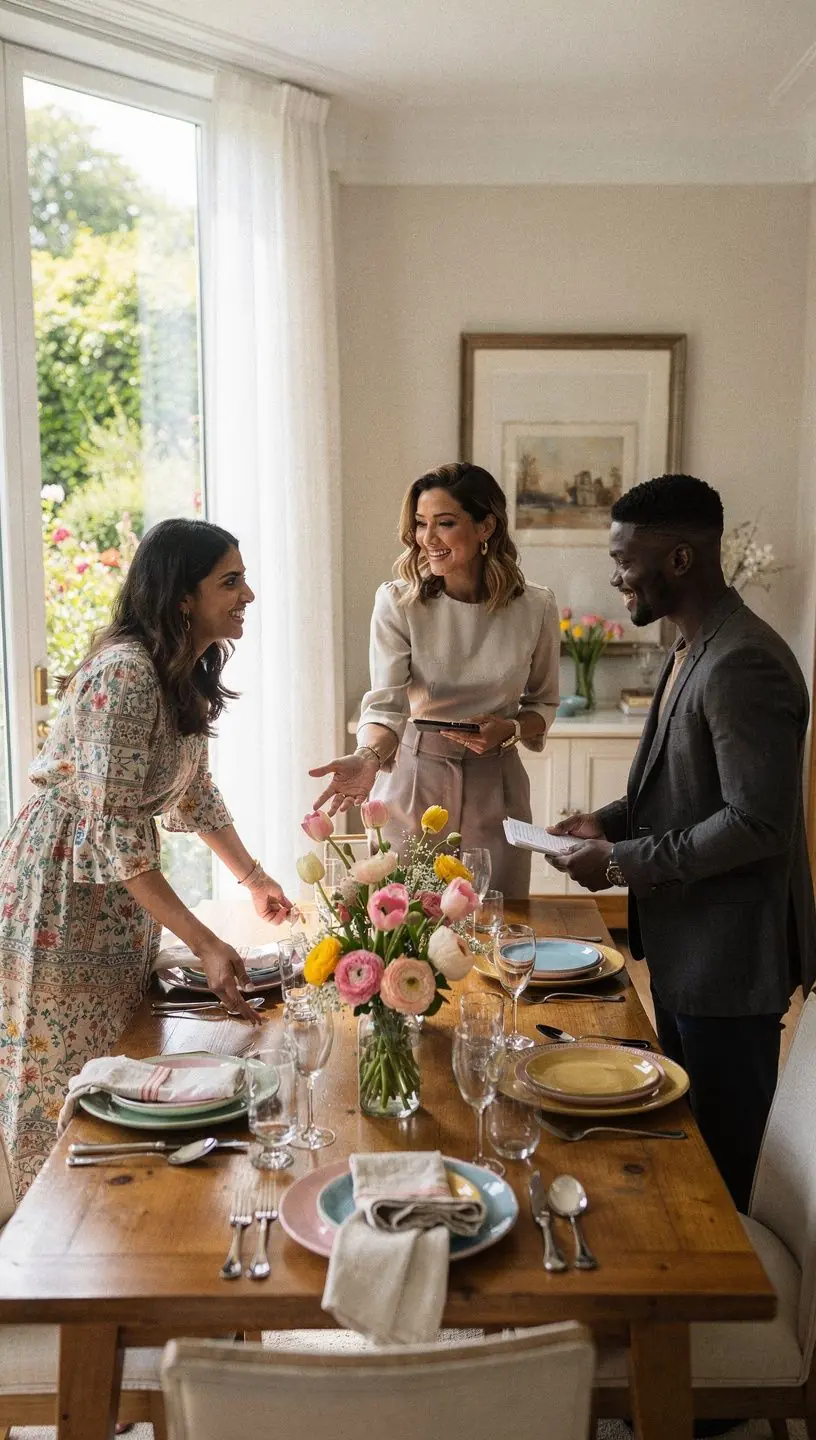
"Lighting is a vital design tool that affects how we perceive our surroundings and our emotional responses to them." - Interior Design Expert
Types of Lighting and Their Impact
There are three main types of lighting to consider when styling your home:
- Ambient Lighting: This is the primary source of light in a room, typically provided by ceiling fixtures, lamps, or natural light. It creates a foundational brightness and is essential for safety and comfort.
- Task Lighting: Task lighting is designed to illuminate specific areas for activities such as reading, cooking, or working. Examples include desk lamps, kitchen under-cabinet lights, and vanity lights.
- Accent Lighting: Used to highlight architectural features, artwork, or decorative elements, accent lighting draws attention and adds depth to a space. This type of lighting can be achieved with spotlights, track lighting, or wall sconces.
Creating an Inviting Atmosphere
The principle behind effective lighting design involves balancing different types of lighting to achieve a cohesive look. Experts suggest using a combination of ambient, task, and accent lighting to create a layered effect. This approach not only enhances functionality but also adds visual interest to your home.
When planning your lighting, consider the following:
- Assess the natural light available in your space and how it changes throughout the day.
- Choose light fixtures that complement your home’s style while providing adequate illumination for each area.
- Adjust the brightness levels where possible, using dimmers to control the mood based on the time of day or occasion.
Common Mistakes to Avoid
While designing your lighting scheme, it's important to be mindful of common pitfalls:
- Over-reliance on a single light source: This can create harsh shadows and a flat atmosphere. Instead, aim for a variety of light sources.
- Ignoring the color temperature: The warmth or coolness of light can affect the vibe of a space. Typically, warmer tones (2700K-3000K) are ideal for living areas, while cooler tones (4000K and above) work well in task-oriented spaces.
- Neglecting the scale of fixtures: Fixtures that are too small can get lost in a large room, while oversized fixtures can overpower a smaller space.
Conclusion
Lighting is a fundamental aspect of home aesthetics that can profoundly affect the atmosphere, functionality, and overall appeal of your space. By understanding how different types of lighting work and implementing a well-thought-out plan, you can create a home that is not only beautiful but also conducive to comfort and activity.
As you consider refreshing your home’s interior, remember that skilled consultations, such as those offered by home styling studios, can provide valuable insights tailored to your specific needs. This process typically involves assessing your current layout, discussing your lighting preferences, and creating a personalized plan that can lead to an inviting and aesthetically pleasing environment.
Discover More