Practical Strategies for Aging-in-Place Home Modifications
As the population ages, many individuals find themselves looking for ways to adapt their homes to better suit their evolving needs. Aging-in-place modifications can enhance comfort, safety, and overall quality of life. This article will explore practical strategies for implementing these changes.
Understanding Aging-in-Place Modifications
Aging-in-place refers to the ability to live in one’s home safely, independently, and comfortably as one grows older. According to research, implementing modifications can significantly improve safety and accessibility for seniors. Experts recommend that homeowners consider modifications early to prevent injury and maintain independence.

"Many users report that simple modifications can greatly enhance their day-to-day experience in their homes."
Key Modifications to Consider
When thinking about aging-in-place modifications, it’s essential to focus on areas that can enhance accessibility and safety. Here are some practical strategies:
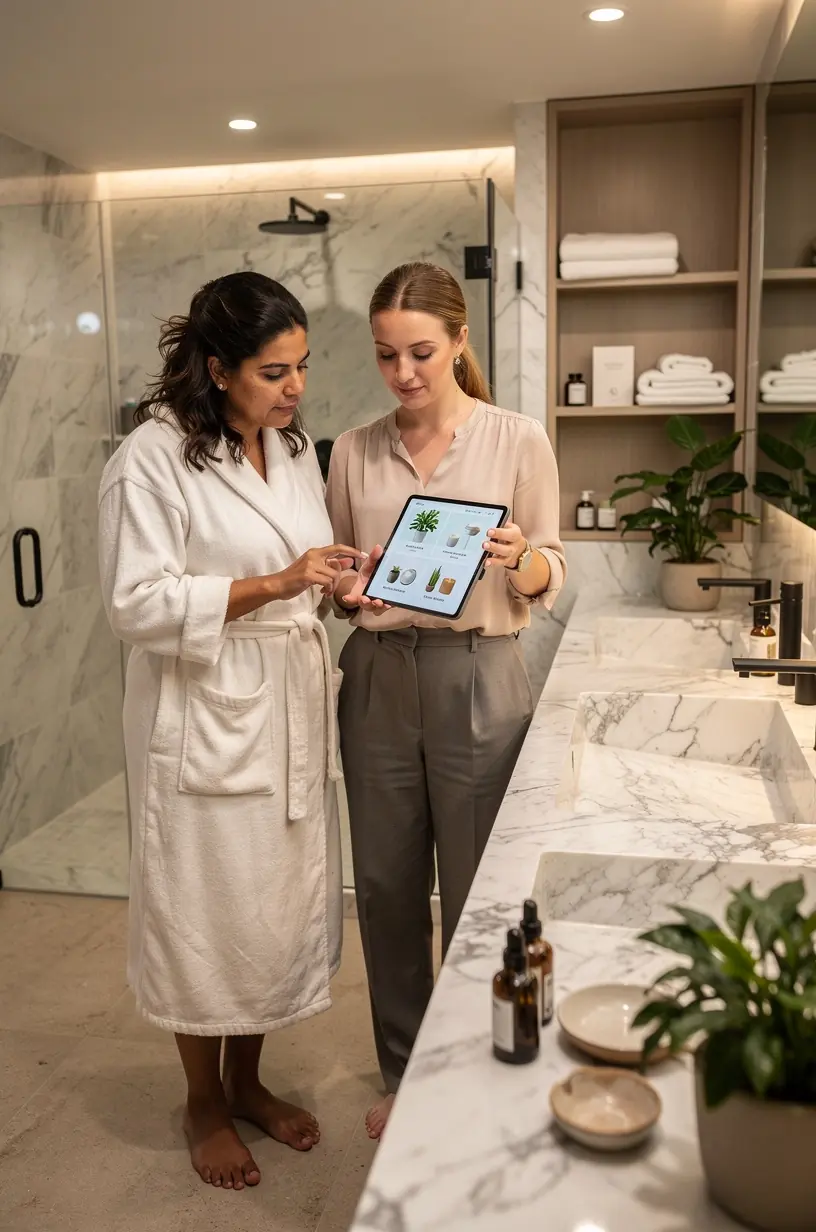
- Bathroom Safety: Installing grab bars, non-slip mats, and adjustable shower heads can prevent falls in one of the most hazardous areas of the home. Research indicates that such modifications can reduce bathroom-related injuries by up to 80%.
- Lighting Improvements: Increasing brightness by adding light fixtures and using brighter bulbs can help prevent accidents. Experts suggest that proper lighting is crucial for those with visual impairments, which are common among older adults.
- Doorway Adjustments: Widening doorways to at least 32 inches can accommodate wheelchairs or walkers, allowing for better mobility. This modification often requires professional installation but can significantly improve accessibility.
Implementing Changes: A Step-by-Step Approach
It’s vital to approach modifications systematically. Here’s a suggested process:
- Assess Needs: Evaluate the current living situation. Consider factors such as mobility limitations, existing safety hazards, and personal preferences.
- Consult Professionals: Engaging a home modification specialist can provide tailored solutions. They can help identify the most effective modifications based on your needs.
- Plan Budget: Set a realistic budget for the modifications, keeping in mind that some changes may require significant investment but can lead to long-term savings on healthcare costs.
- Implement Changes: Begin with the most critical modifications first. For instance, bathroom safety may take precedence over aesthetic changes.
- Review and Adjust: After implementing changes, continue to assess the effectiveness of the modifications and make further adjustments as needed.
Conclusion
Adapting your home for aging-in-place is not just about enhancing safety; it's about improving quality of life. While the modifications may require time and financial investment, the benefits often outweigh the costs. By following the strategies outlined in this article, many individuals can successfully create a living environment that supports their independence and well-being for years to come.